lET’S TALK RISK
My interest in risk management started with a moment I’ll never forget. A supervisor once told me he hired us for our backs — and when those gave out, he’d replace us. It taught me quickly: if I didn’t take my safety seriously, no one else would. From that point on, I committed to changing that mindset for myself, my colleagues, and the organizations I serve.
“Risk Control” has never just been about compliance for me. I grew up in a neighborhood where people looked out for each other, and I carried that into my career. Regulations matter, but they’re only tools. The real work is people — trust, relationships, and a culture where safety is personal. I often say: if someone knows every standard but can’t connect with people, that knowledge won’t move anything.
That belief has shaped my work across the risk and insurance industry. Conversations with owners, finance leaders, and operations teams have reinforced that good risk management isn’t about having all the answers — it’s collaboration. It’s listening well and building strategies no one person could create alone.
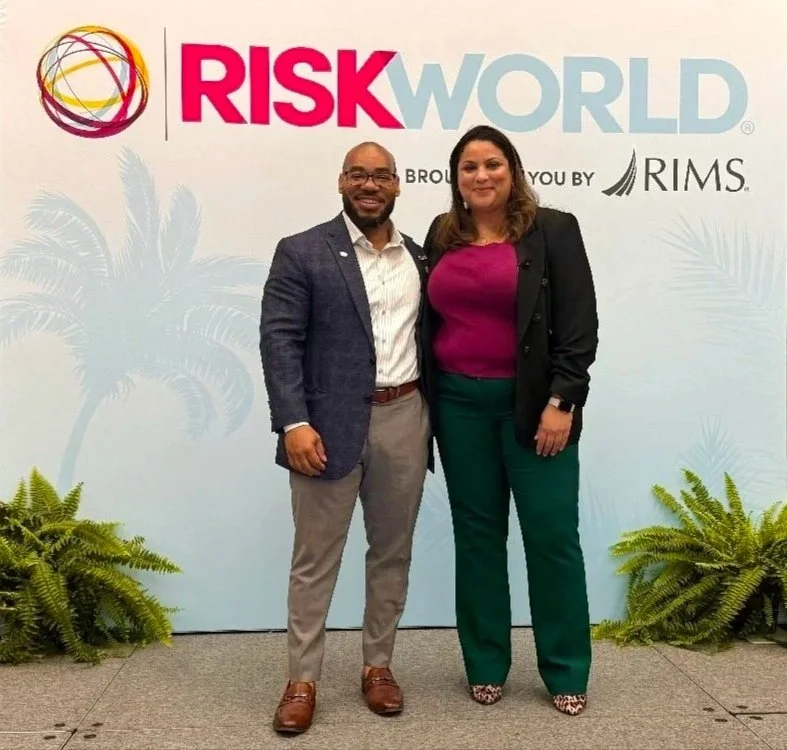
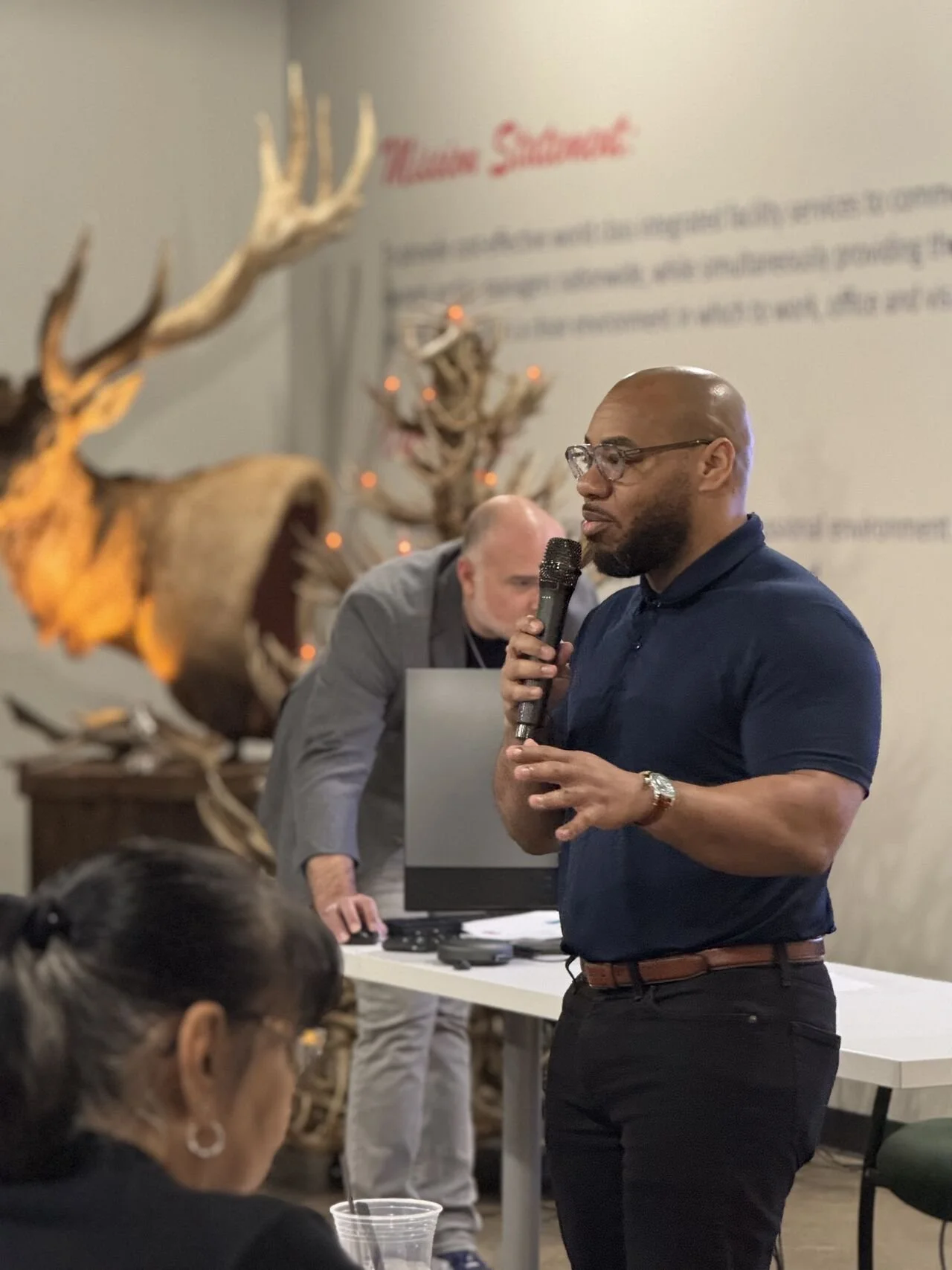
I’ve shared this message on global stages with RIMS, led workshops for ASSUREX Global, contributed to Insurance Journal panels, and spoken in local chapters and industry forums. Whether the room is big or small, the goal stays the same: make risk management real, human, and actionable — with takeaways leaders can use immediately.
If you’re looking for a speaker who can challenge the checkbox mindset and bring practical risk leadership to the room, I’d love to be part of your next event.

Popular topics
Safety doesn’t fail because people don’t know the rules — it fails when leadership habits don’t match expectations. I discuss practical ways to build trust, strengthen accountability, and create a culture where safe decisions happen even when no one is watching.
Risk management shouldn’t live in a binder — it should live in leadership decisions. I discuss how organizations can move from reactive problem-solving to proactive strategy by identifying the exposures that matter most, strengthening accountability, and aligning risk decisions with business goals.
AI shouldn’t replace good people — it should multiply them. I discuss how leaders can use practical AI tools to increase capacity, reduce busywork, and improve consistency across operations, safety, and risk workflows. Attendees hear clear examples, guardrails for responsible use, and a realistic way to adopt AI that strengthens decision-making instead of creating new risk.